
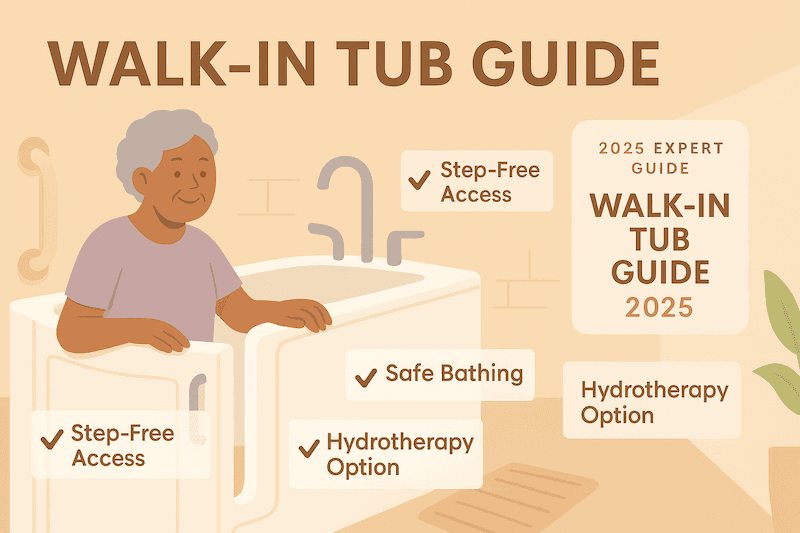
Walk-in bathtubs are a popular choice for seniors seeking a safer and more accessible bathing experience. This guide provides comprehensive information about walk-in tubs, their benefits, different types, and factors to consider when purchasing one. We aim to help you navigate this world with walk-in bathtub guide, ensuring you can make an informed decision that meets your specific needs and enhances your bathing safety.
Understanding Walk-In BathTubs
What is a Walk-In BathTub?
A walk-in tub is a specialized type of bathtub designed with a door that allows the user to enter and exit the tub without stepping over a high threshold. This feature significantly reduces the risk of falls, making it an ideal solution for seniors and individuals with mobility issues. These tubs come equipped with a watertight door seal, ensuring no leaks occur during the bathing process. Many walk-in tubs also include features like built-in seats and grab bars to further enhance safety and comfort, ensuring a relaxing and secure bathing experience.
Benefits of Walk-In Bathtubs for Seniors
The primary advantage is enhanced safety; the safe step design minimizes the risk of slips and falls. Additionally, walk-in tubs can provide therapeutic benefits. Many models include water jets or air jets that can soothe aching muscles and improve circulation. For seniors with arthritis or other mobility limitations, a walk-in tub can restore independence and make bathing a more enjoyable and less stressful experience. These tubs also promote overall well-being by making personal hygiene easier to manage.
Different Types of Walk-In BathTubs
Walk-in tubs are available in a variety of styles to meet diverse needs and bathroom configurations. Several common types exist, including:
- Standard walk-in tubs, which offer a fundamental design with a door and seat.
- Bariatric walk-in tubs, designed with broader entrances and seating for individuals requiring more space.
- Soaker tubs, providing a straightforward and uncomplicated bathing experience.
Hydrotherapy walk-in tubs incorporate water and/or air jets to deliver a massage effect. Some models may also feature chromatherapy or aromatherapy options to elevate the bathing experience. Choosing the right type depends on individual preferences, mobility needs, and budget.
Costs Associated with Walk-In BathTubs
Average Cost of a Walk-In Tub
The average cost of a walk-in tub can vary widely, typically ranging from $3,000 to $10,000 or more, including installation. The cost is influenced by several factors, such as the tub size, features, and brand. Basic standard tubs may start at the lower end of the price range, while more elaborate hydrotherapy models with air jets and water jets can significantly increase the cost. Additionally, walk-in tub installation costs can add to the overall expense, making it essential to factor in both the price of the tub and the installation fees when budgeting for a walk-in tub.
For detailed cost structure, please refer to our guide on Best Walk in Tub Brands
Factors Affecting Walk-In Tub Costs
Several factors can affect walk-in tub costs. The final price of a walk-in tub depends on elements related to the tub itself:
- The type of walk-in tub you choose, like a standard walk-in tub or a bariatric tub.
- Features like hydrotherapy jets, heated seats, and quick-drain systems.
- The brand, as American Standard walk-in tubs and Safe Step walk-in tubs are often priced differently.
Additional cost considerations include walk-in tub installation, which can significantly increase the overall cost, as it may require plumbing and electrical modifications, and also whether a walk-in tub is simple or elaborate.
Financial Assistance for Walk-In Tubs
Medicare typically does not cover the cost of a walk-in tub because it is generally considered a home modification. However, some Medicaid programs and state-specific initiatives may offer financial assistance. Veterans may also be eligible for benefits through the Department of Veterans Affairs to cover the cost.
Choosing the Best Walk-In BathTub
Best Walk-In Tub Brands
When selecting the best walk-in tubs for seniors, several reputable brands stand out. Popular Walk-in Tub brands that stand out ares:
- American Standard walk-in tubs typically are known for their quality and durability.
- Safe Step walk-in tubs, often praised for their innovative designs and comprehensive warranty coverage.
For our detailed analysis on Best Walk-in Tub Brands, refer to our detailed guide here.
Popular Walk-In Tub Features
Walk-in tubs come with a variety of features designed to enhance safety and comfort for seniors. Low-entry thresholds and built-in grab bars are essential for preventing falls. Heated seats can provide additional comfort during bathing, while hydrotherapy jets offer therapeutic benefits. Quick-drain systems can reduce the waiting time to exit the tub, and anti-scald valves ensure a safe water temperature.
How to Choose the Right Walk-In Tub Size
Selecting the right tub size is crucial for comfort and safety. Consider the bather’s physical dimensions and mobility limitations. Measure the available space in the bathroom to ensure the new tub will fit.
Installation of Walk-In Tubs
Walk-In Tub Installation Process
The process of installing a walk-in tub could begin with removal of the old tub or shower. Next, plumbing and electrical connections are assessed and modified to meet the specific requirements of the new walk-in tub. The area is prepared for installation, ensuring a level surface. Once the connections are tested, the walk-in tub is carefully placed into position and secured. This process can significantly affect the cost.
Considerations for Installing a Walk-In Tub
When installing your new walk-in tub, several key considerations should be kept in mind. Ensure that the bathroom floor is level and can support the weight of the filled walk-in tub. Check the water heater’s capacity to ensure it can provide sufficient hot water. Walk-in tub installation may require modifications to plumbing and electrical systems, so it’s wise to plan accordingly. The cost can vary depending on complexity.
Hiring Professionals vs. DIY Installation
Deciding whether to hire professionals or opt for DIY installation is a significant choice. Professional installation ensures that all plumbing and electrical work is done correctly and safely.
Medicare and Walk-In Tubs
Does Medicare Cover Walk-In Tubs?
Generally, Medicare does not cover the cost of a walk-in tub because it considers it a home modification. However, certain Medicare Advantage plans may offer some coverage or assistance.
How to Pay for a New Walk-In Tub
Paying for a new walk-in tub can be a challenge for seniors on a fixed income. While Medicare typically does not cover the cost, there are alternative options. Home equity loans or lines of credit can provide funds for the purchase and installation. Personal loans are another option. Some manufacturers offer financing plans or partner with lenders to provide assistance. Exploring these financial avenues may help you save on a Walk-in tub.
Alternative Funding Options for Walk-In Tubs
Alternative funding options are available to help seniors pay for a walk-in bathtub. Medicaid waivers may cover some of the cost if it is deemed medically necessary. State and local programs may also offer grants or assistance for home modifications. Veteran’s benefits can be another source of funding for eligible individuals. Seeking support from non-profit organizations or charities can also provide financial relief when purchasing a walk-in tub.
Comparing Walk-in Tubs and Walk-in Showers
When considering bathroom safety and accessibility for seniors, the choice between walk-in tubs and walk-in showers is crucial. Both options offer unique benefits, but their suitability can vary based on individual needs.
Walk-in Showers
In contrast with Walk-in Tubs, Walk-in showers offer a different approach to accessibility. They are often easier to enter and exit, making them suitable for those who prefer a quick rinse rather than a soak. Walk-in showers can be equipped with grab rails and non-slip flooring, contributing to a safe environment.
While the cost of walk-in showers can also vary based on design and features, they generally tend to be less expensive than walk-in tubs. However, they may not provide the therapeutic benefits that come with soaking in a walk-in bathtub.
Key Differences
When comparing walk-in tubs for seniors to walk-in showers, consider the following:
- Safety: Walk-in tubs provide a safe and comfortable bathing experience, while walk-in showers focus on ease of access.
- Therapeutic Benefits: Walk-in tubs often feature jets that can help with muscle relaxation and pain relief, which is beneficial for seniors.
- Installation and Cost: The cost of a walk-in tub and its installation can be higher than that of walk-in showers, but the investment may be worthwhile for those requiring therapeutic bathing.
- Space Requirements: Walk-in showers generally take up less space compared to standard walk-in tubs, making them suitable for smaller bathrooms.
Ultimately, whether a walk-in tub or shower is best depends on personal preferences, health needs, and bathroom space. For seniors, the best choice is one that enhances safety and comfort while fitting within their home environment.
Complete Walk-in Tubs Guide for Seniors
The Ultimate 2025 Resource for Families
Looking for comprehensive information about walk-in tubs for your loved one? Our complete guide covers everything families need to know about choosing, installing, and maintaining walk-in tubs for senior safety.










Recent Comments